
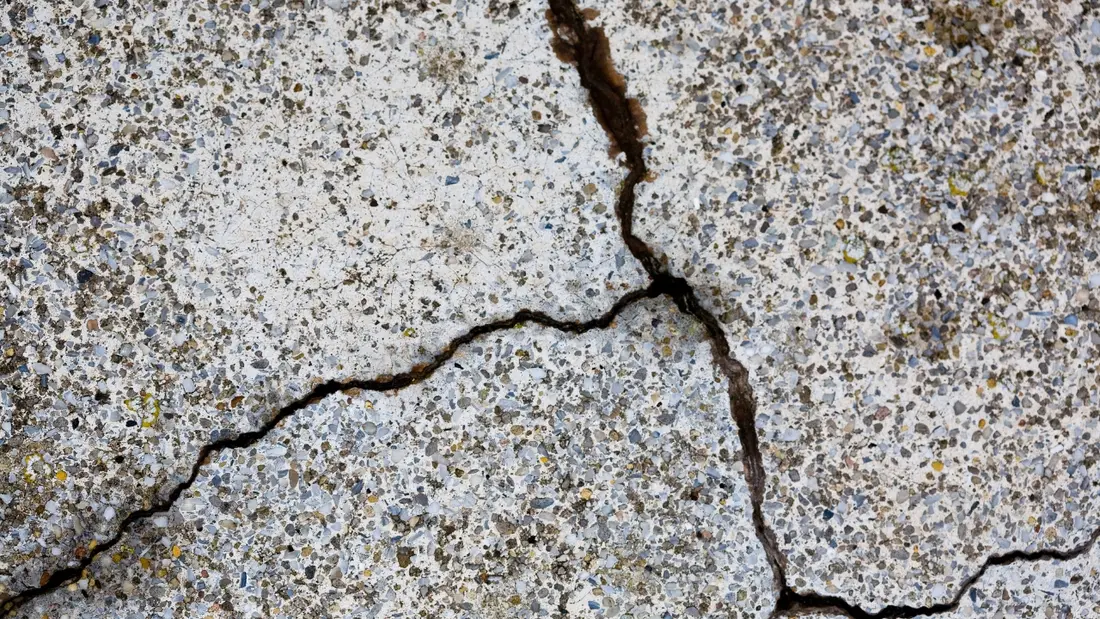
Spalling is when the top layer of a concrete driveway starts to flake, chip and lift away, leaving rough, pitted patches and exposing the aggregate underneath. It looks like the surface is peeling. On a driveway it is more than a bad look: once the sealed top skin is gone, water gets in faster, the damage spreads, and what began as a few flaky patches turns into a surface that keeps breaking up under the weight of a car.
It is a different problem to spalling on a garage floor, which sits indoors and cops different wear. A driveway is out in the weather, carries vehicle loads every day, and often gets the worst of the run-off from the roof and the street. So the causes, and the right fix, are worth understanding before you spend money patching the wrong thing.
What causes driveways to spall
Most driveway spalling in South-East Melbourne comes down to a handful of things, usually more than one at once:
- A weak or over-worked surface. If the original mix was too wet, or the surface was overworked while finishing, water and fine material rise to the top and leave a thin, weak skin. That skin is the first thing to fail.
- Not enough curing. Concrete needs to hold moisture while it gains strength in the first days after the pour. A slab that dried too fast in the sun ends up with a soft surface that flakes early.
- Trapped moisture and poor drainage. Water sitting on or under the slab, freezing cold snaps aside, works away at the surface. Melbourne does not get hard freezes often, but repeated wet-dry cycles and standing water do plenty of damage on their own.
- Reinforcement too close to the surface. When steel is set too high in the slab it can rust, expand and push the concrete above it off. That shows up as spalling directly over the bars.
- Age and wear. Even a good driveway loses its surface eventually. Twenty-plus years of tyres, sun and rain wears the top down.
Surface wear or a structural problem?
This is the call that decides the repair. Shallow spalling, where only the top few millimetres have flaked and the slab underneath is sound, is a surface problem. You can resurface over it and get a driveway that looks and performs like new.
Deeper damage is different. If the spalling goes down to the reinforcement, if there are wide cracks that move, or if sections of the slab have dropped or lifted, the problem is structural and a thin overlay will just fail again over the top of it. When we quote a spalled driveway we sound the surface, check the depth of the damage and look for movement before we tell you which way to go. We would rather tell you it needs more work than sell you a patch that peels off in a year.
The repair options
- Patch and seal. For a few isolated spalled patches on an otherwise sound driveway, we cut back to solid concrete, fill with a proper repair mortar and reseal. Honest and cost-effective when the damage is genuinely localised.
- Resurfacing. When the surface is worn or spalled across most of the driveway but the slab beneath is still solid, concrete resurfacing is usually the best value. We prepare and bond a new wearing layer over the old slab, and you can add a finish like exposed aggregate or a stencil pattern at the same time.
- Remove and replace. If the slab itself is failing, structural or badly drained, the honest answer is a new one. We break out the old driveway, fix the base and drainage, set the reinforcement at the right depth, and pour a new driveway built to last.
Stopping it coming back
A repair only holds if the reason it spalled is dealt with. That means getting the drainage right so water is not sitting on the slab, keeping a fresh sealer on the surface, and making sure any new concrete is cured properly rather than rushed. Get those three right and a driveway stays sound for decades.
If your driveway is flaking or pitting, the worst thing you can do is leave it and hope. Water finds the weak spot and the repair only gets bigger. Send us a couple of photos and we will tell you honestly whether it is a patch, a resurface or a replace, and quote it in writing before any work starts. Joey and the crew do every job themselves, so the person who looks at your driveway is the person who fixes it. Get in touch or call 1800 266 677.