
Concrete services
Concrete re-sealing in Clayton & South-East Melbourne
Sound concrete that's lost its shine doesn't need replacing, it needs sealing. We clean, prep and reseal driveways, pathways and pool surrounds to protect the surface and bring the colour back.
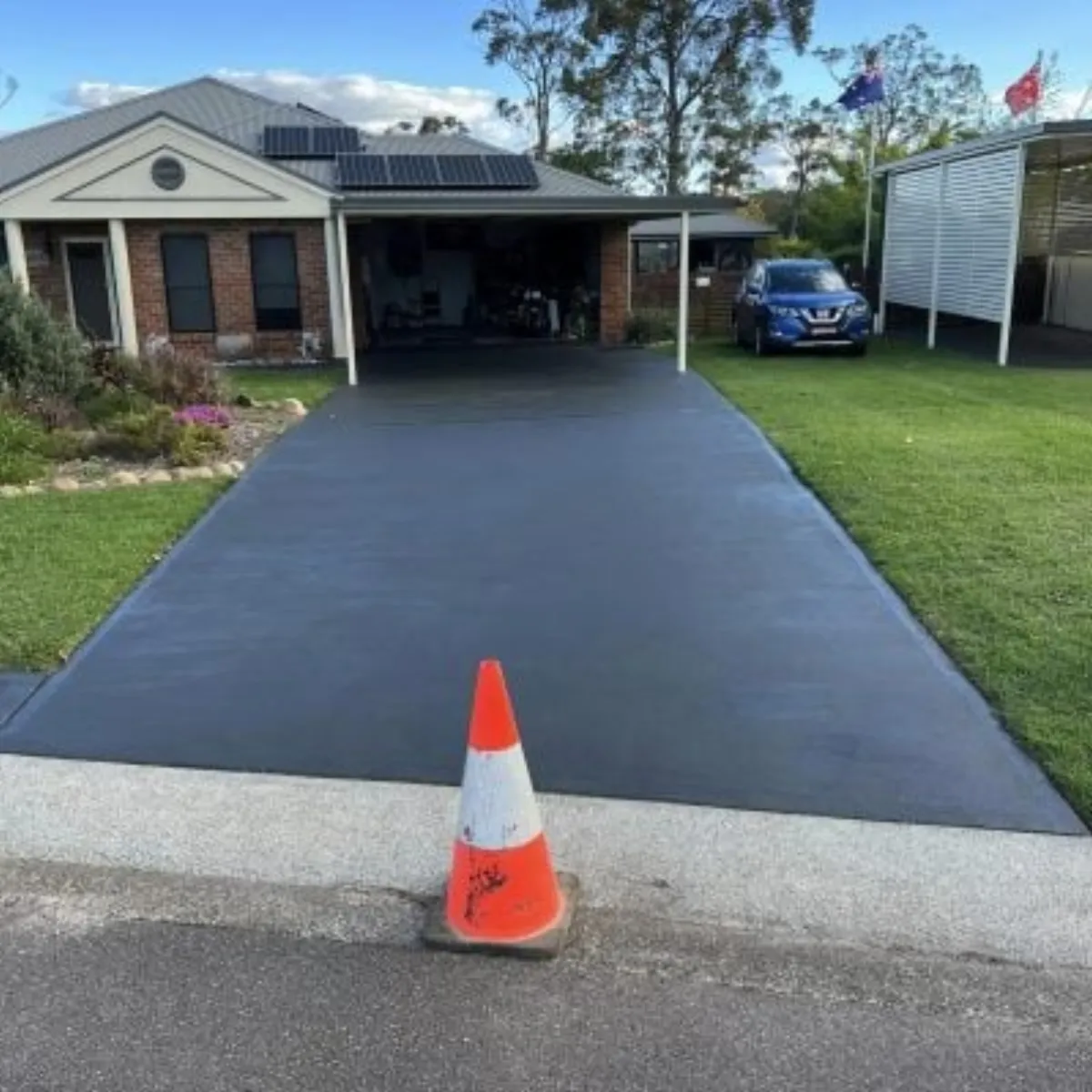
The job
Preparation is most of the job
A reseal is only as good as the surface underneath it. We start with thorough cleaning using commercial-grade equipment, since any dirt or residue left behind stops the sealer bonding properly. Once the surface is clean and dry, we apply your chosen sealer by roller or spray equipment, colour to refresh the look, or clear to protect and enhance what's already there.
We use different sealers for different situations, a pool surround copping chlorine and sun needs a different product to a shaded path. Every job starts with an on-site look so your quote is based on your actual surface, not a guess.
- Commercial-grade clean and prep before any sealer goes on
- Sealer matched to the surface, sun, chlorine and traffic all factor in
- New concrete cured around 28 days before sealing, existing concrete sealed sooner
Options
Colour or clear, on the surfaces that need it
Same prep and process, the finish depends on what you're after.
Good to know
Common questions on resealing
How often does concrete need resealing? Most residential surfaces need it every two to three years, though high-traffic driveways and pool surrounds with heavy sun or chlorine exposure can need it sooner. We can tell you on a quick inspection whether your existing sealer has started to wear thin.
What's the difference between resealing and resurfacing? Resealing applies a protective coating to concrete that's structurally sound but has lost its shine. Resurfacing is for concrete with visible cracking, pitting or damage, and involves a new decorative layer over the existing slab. See our resurfacing page if that sounds more like your job.
Can resealing fix small cracks? No. Resealing protects and refreshes concrete but doesn't repair structural damage. Cracking or pitting typically needs addressing first, sometimes via resurfacing, before a seal goes on.
Good to know
More re-sealing questions
How long does re-sealing take to dry before I can walk or drive on it?
Foot traffic is usually fine within a day, but give it longer before parking a car back on it. We'll give you exact times for the sealer used and the weather it went down in.
Do you seal exposed aggregate and stencilled concrete, or just plain driveways?
All of them. The sealer and the technique change depending on the finish, exposed aggregate, stencilled, plain or coloured concrete, so we match the product to what's already there.
What time of year is best for resealing in Melbourne?
Sealer needs settled, dry weather to cure properly, so we avoid booking it into a run of rain. We'll work with you on timing so it's not left waiting on the weather.
Can you match the existing colour, or will it look patchy?
We aim for an even, consistent finish across the whole surface, not just a touch-up. If the old sealer has worn unevenly we'll tell you honestly whether a full reseal will even it out or whether resurfacing is a better fix.
Do you seal pool surrounds while the pool's still in use?
We can work around a pool that's in use, but the area being sealed needs to stay clear and dry while it cures, so we'll plan the timing with you so you're not locked out of the whole yard.
Get it scoped
Get a firm price on your reseal
Tell us what needs protecting and the finish it's got now. Joey or one of the crew comes out, has a look, and gives you a written quote before anything starts.