
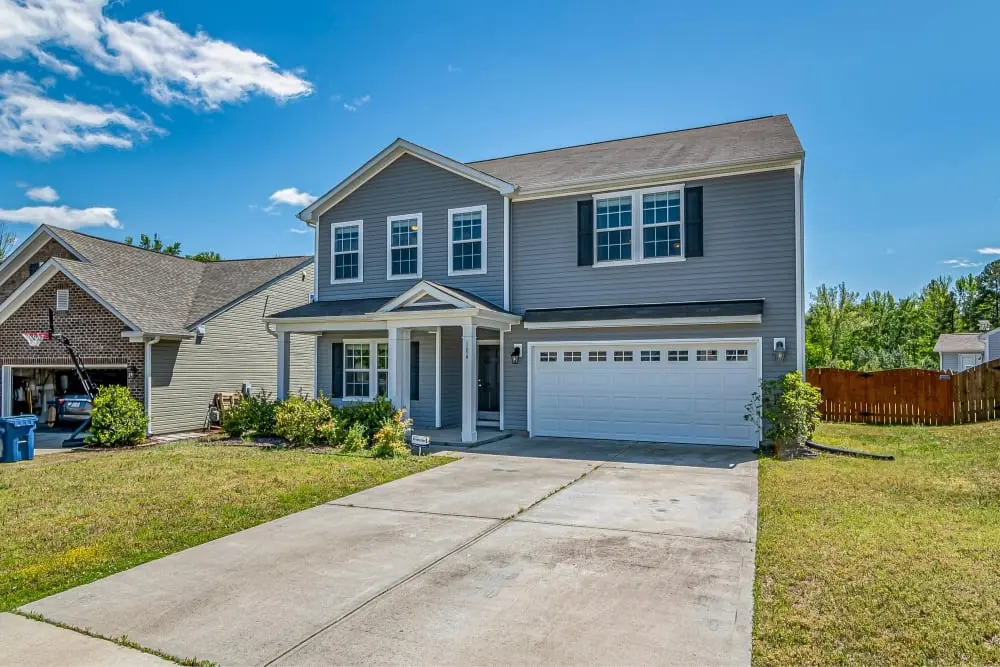
A tired driveway doesn't automatically mean a new one. Cracking, discolouration, surface flaking or just a worn, patchy look are usually cosmetic and surface-level, not structural, and in that case resurfacing gets you most of the way to a new driveway without the cost or disruption of tearing the old one out.
What resurfacing actually is
Resurfacing bonds a new layer of specially formulated material directly onto your existing slab. Instead of demolishing and repouring, it builds on the base you've already got. Finishes range from a plain, clean surface through to colour coatings, spray-applied stencils and decorative textures like exposed aggregate.
Why it's worth considering over a full replacement
Tearing out an old driveway means excavation, disposal and a full new pour, which adds cost and time that resurfacing skips entirely by working with your existing base. Beyond the cost difference, it's a fast job, most resurfacing work is done in a day or two depending on the finish and weather, and a properly sealed and maintained resurfaced driveway can hold up for well over a decade.
It also cuts down on waste. Reusing the slab you've already got instead of breaking it out and disposing of it is the more sustainable option in most cases, not just the cheaper one.
When resurfacing is the right call
Resurfacing works well when the driveway is structurally sound underneath but showing its age on top:
- Small surface cracks that haven't spread
- Fading or patchy discolouration
- Surface flaking or spalling
- An uneven or dated finish
When it isn't
If there's serious cracking, sections that have sunk or shifted, or signs the base itself has failed, resurfacing won't hold. That's a job for a proper assessment and, in most cases, a rebuild. It's worth getting someone on site to check before committing either way, because the wrong call either direction costs you.
Choosing a finish that suits a driveway
A driveway finish has to handle vehicle weight, tyre turning and daily weather, not just look good on day one. Plain broom finishes are the toughest, cheapest option and grip well in wet weather. Exposed aggregate spreads load evenly across the stone and wears more gracefully than a smooth surface. Stencilled or stamped patterns lift the street appeal of an entrance but need a slightly more careful sealing schedule to keep their definition. We talk finish options through against how the driveway is actually used, not just what looks best in a sample board.
Getting it right
The result depends almost entirely on prep. A resurfacing layer bonds to whatever's underneath it, so cracks, contamination or a poorly cleaned base all telegraph through the new surface eventually. That means grinding back any loose or contaminated material, patching structural cracks before the overlay goes down, and getting the surface properly clean and profiled so the new layer actually bonds rather than sitting on top waiting to lift. That's the part worth paying attention to when you're comparing quotes, not just the finish on offer.
Keeping a resurfaced driveway looking new
A resurfaced driveway still needs the same basic care as any concrete surface, regular sweeping, an occasional wash, and resealing on a two to three year cycle depending on traffic and sun exposure. Skipping resealing is the most common reason a resurfaced driveway starts looking tired again within a few years, the overlay itself isn't the weak point, the lack of ongoing protection is.
If your driveway is looking tired but you're not sure whether it needs resurfacing or a full rebuild, we'll assess it properly and tell you which one it actually needs. Have a look at our driveway and resurfacing work, or get in touch for a no-obligation look at your site.