
Concrete has been the backbone of construction since ancient Rome, and it's still where most of the interesting engineering is happening. Most of the innovation making headlines is aimed at major infrastructure and high-rise construction, but a fair bit of it eventually filters down into the mixes and methods used on everyday residential and commercial jobs. Here's where the material is heading.
1. Sustainable and alternative materials
Cement production is carbon-intensive, and the industry is responding with alternative cementitious materials like fly ash and slag, along with early carbon capture and utilisation approaches that reduce the environmental footprint of production. This is already showing up in mainstream mix design, not just experimental projects.
2. 3D printing
Printed concrete allows precise, customised structures to be built with less material waste and faster construction time than traditional formwork. It's still early-stage for most applications, but it's a genuine shift in how concrete structures can be designed and produced.
3. Self-healing concrete
Concrete embedded with capsules of healing agents, or bacteria that produce limestone as a byproduct, can seal micro-cracks automatically as they form. It's a promising way to extend structure lifespan and cut maintenance costs, particularly for large-scale or hard-to-access structures.
4. Smart concrete
Sensors and IoT integration let concrete structures monitor their own condition, tracking structural stress, temperature and moisture in real time. For major infrastructure, that means problems get caught before they become failures, which is a meaningful safety and maintenance shift.
5. Carbon-neutral concrete
Beyond swapping materials, researchers are working on alternative binders and sequestration methods aimed at getting concrete production closer to carbon-neutral. It's an active area of development rather than a finished product, but the direction is clear.
6. Lightweight concrete
Lightweight aggregates or air entrainment reduce the weight of concrete without giving up structural performance, which matters for transport costs, high-rise loading and insulation properties on taller structures.
7. Nanotechnology
Incorporating nanoparticles into a mix can improve strength, durability and resistance to corrosion and moisture at a molecular level. It's one of the more technical frontiers in concrete science, aimed largely at ultra-high-performance applications.
8. Prefabrication and modular construction
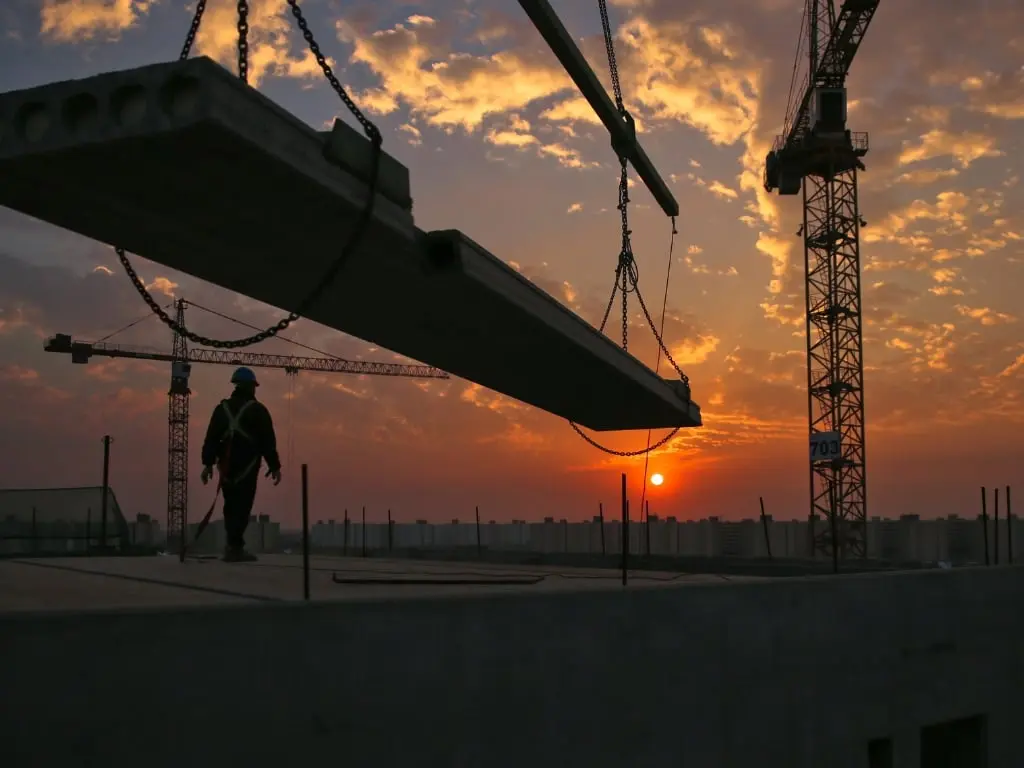
Manufacturing concrete components off-site and assembling them on-site speeds up schedules, cuts waste and improves quality control, since conditions are controlled rather than weather-dependent. This one's already common on both large commercial projects and increasingly on residential work too.
Why it's worth paying attention regardless of project scale
It's easy to assume innovations aimed at skyscrapers and major infrastructure have nothing to do with a residential driveway or a commercial slab, but mix technology and technique tend to trickle down faster than people expect. Fibre reinforcement, plasticiser technology and lower-carbon binders were all considered specialist a decade ago and are now standard options on ordinary jobs. Keeping across where the material is heading means better options are on the table sooner rather than later.
What actually reaches everyday jobs
Most of these technologies start at the scale of bridges, towers and major civil works and gradually work their way into standard practice. Sustainable materials, prefabrication and smarter mix design are already part of how good concreters approach residential and commercial jobs today, and it's worth choosing a contractor who keeps across where the material is heading, not just how to pour it.
We bring current mix knowledge and technique to every driveway, slab and industrial job we take on across South-East Melbourne. Get in touch if you'd like to talk through your project.