
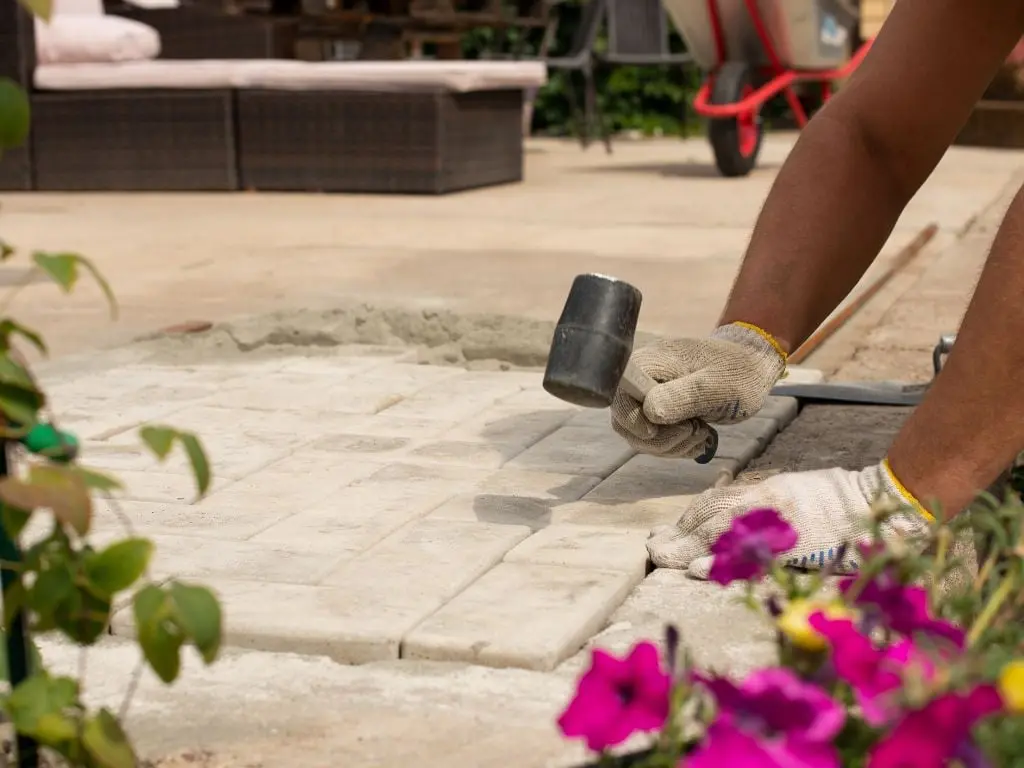
A tired patio doesn't just look worn, it changes how you use the space. Cracks trip people up, stains never quite lift, and what was a smooth surface starts to feel rough underfoot. None of that happens overnight. It builds up slowly until one day you notice you've stopped using the space the way you used to.
Here's what we look for when we're asked to assess a patio, and what each sign usually means.
1. Cracks, chips and surface breaks
Small cracks widen as moisture gets in and the ground beneath moves with the seasons. Chips around the edges or control joints are usually the first sign the top layer is failing. Left alone, they trap dirt and let water in, which only speeds up the damage. Resurfacing cleans out and stabilises the cracks first, then adds a fresh layer over the whole surface rather than patching isolated spots, so you get one even finish instead of a patchwork of repairs.
2. Stains that won't lift
Grease, leaf tannins, rust from old furniture: concrete absorbs all of it, and a few years of Melbourne sun on top fades and patches the colour further. Pressure washing helps with surface dirt but won't touch a stain that's soaked in. A new overlay in a colour or texture of your choosing gives you a clean start, and a proper seal afterwards makes the next stain much easier to manage.
3. Uneven areas and settlement
If one section of the patio has dropped, or you can see a visible dip near a tree or the edge of the slab, that's soil movement showing itself. Low spots hold water after rain, which works its way into hairline cracks, while raised sections turn into trip hazards. Before we resurface, high points get ground back and low spots are filled with a levelling compound, so the new surface cures flat.
4. Rough texture or pitting
Years of rain, salt, and general wear leave small pits and a rough, abrasive surface. It's uncomfortable to walk on barefoot and holds dirt and moisture in a way a smooth surface doesn't. We grind back the worst of it and rebuild the surface with a skim coat, sealed to keep water out going forward.
5. Flaking or spalling
Spalling is what happens when water gets into the surface and the top layer starts lifting or peeling away. Once it starts, the exposed base is more open to further weather damage, so it tends to spread. Resurfacing grinds out the weak material and bonds a new layer over what's left, which stops the problem and protects the slab underneath.
6. It just looks dated
Nothing structural, but the colour's faded, there's a patched repair from years ago, and it doesn't match the rest of the yard anymore. This is often the easiest fix on the list. A coloured overlay, a stencilled pattern, or an exposed aggregate finish updates the whole look without removing the existing slab, which keeps cost and disruption down.
7. Slippery when wet
A smooth, worn finish gets genuinely slippery near a pool or after rain, and that's a real safety issue for kids and older family members. A broom finish or exposed aggregate texture applied during resurfacing improves grip across the whole surface, not just the odd non-slip mat thrown down after the fact.
8. You're constantly maintaining it
If you're forever scrubbing, patching, or resealing and the results don't last, the surface has likely broken down past the point where quick fixes help. A resurfaced patio is easier to keep clean and holds its finish for longer, which is the whole point.
What resurfacing won't fix
Resurfacing renews the surface. If the slab itself has heaved, cracked right through, or is genuinely unstable, an overlay won't hold, and replacement is the honest answer. We'll tell you which situation you're in before any work starts, not after.
If your patio is showing any of these signs, have a look at our concrete resurfacing work, or get in touch and we'll come and take a look.