
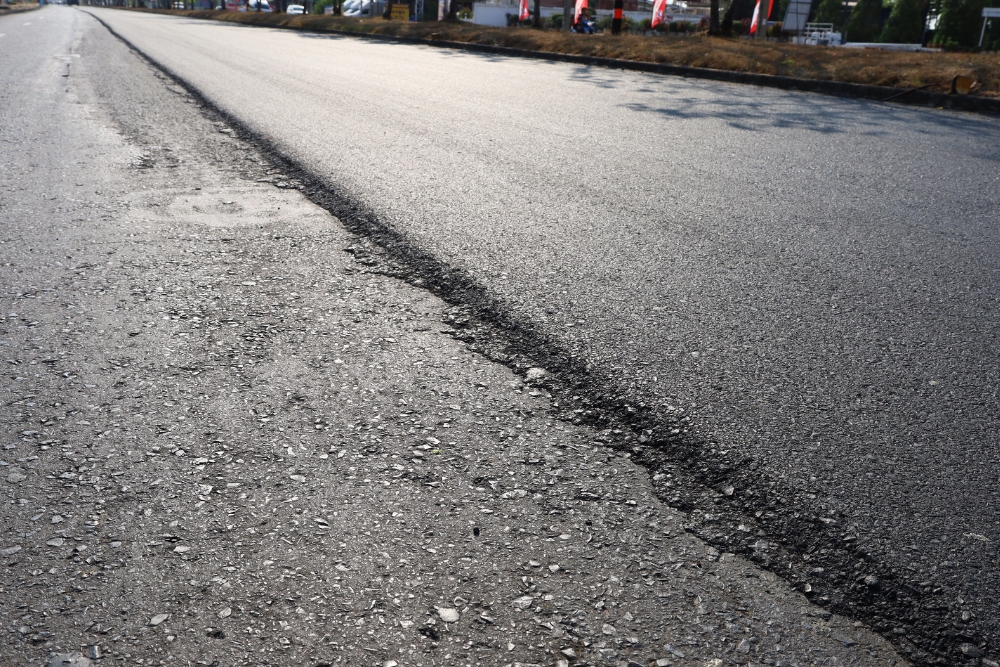
Most concrete driveways in Melbourne look fine for the first decade or so. Then the surface starts to show its age. Cracks appear, the colour fades, and bits of the top layer flake away. At that point, homeowners usually ask the same question: do I need to replace the whole thing, or can it be fixed?
In a lot of cases, resurfacing is the answer. It costs significantly less than a full replacement, takes one to two days, and leaves you with a surface that looks and functions like new. But it only works if the right conditions are met.
Here’s how driveway resurfacing works in Melbourne, what’s involved in the process, and how to know if it’s the right call for your situation.
What Is Concrete Driveway Resurfacing?
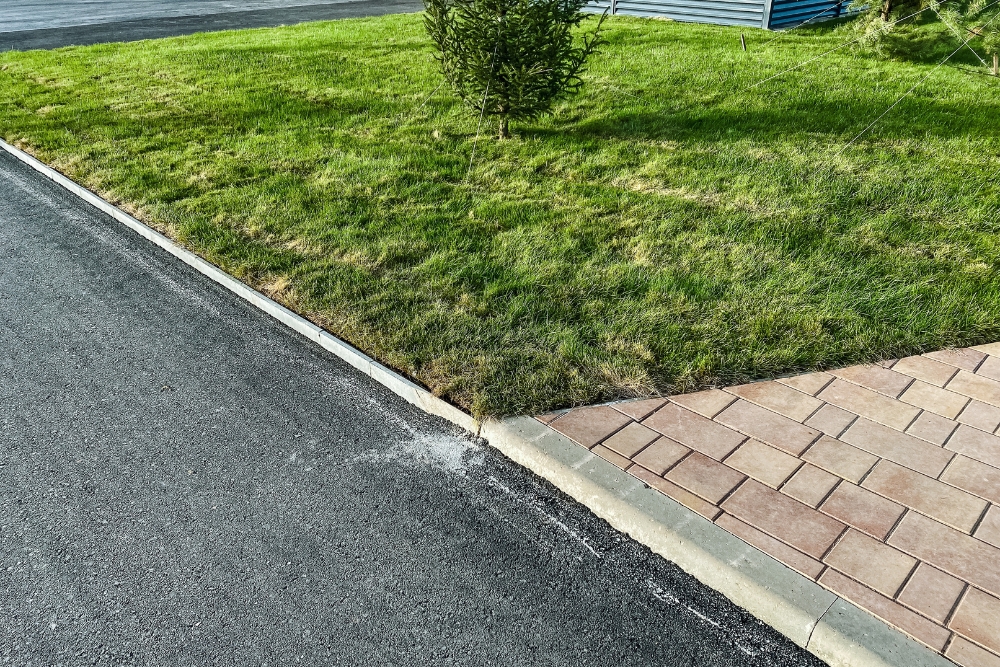
Resurfacing involves applying a new layer of material over the top of your existing concrete slab. The overlay bonds to the old surface and creates a fresh, durable finish without the need to break up and remove the existing concrete.
Depending on the product used, the new layer is typically 3 to 10mm thick. It can be left as a plain smooth or textured finish, or it can be coloured, stamped, or stencilled to create a decorative effect. The result looks like a brand-new driveway at a fraction of the cost of replacement.
The Resurfacing Process: Step by Step
1. Surface assessment
Before anything goes on, the existing slab is assessed. The concreter looks at the extent and type of cracking, checks for any movement or lifting, and confirms the base is stable. If there are structural issues, those need to be resolved first. A resurfacing overlay won’t fix a failing slab underneath.
2. Surface preparation
This is the most important part of the job. The existing concrete is cleaned thoroughly, usually with a pressure washer or grinder, to remove dirt, oil stains, and any loose or flaking material. If there are cracks, they’re filled and stabilised before the overlay goes down. Poor prep is the main reason resurfacing jobs fail prematurely.
3. Crack repairs
Minor surface cracks are filled with a flexible repair compound. Larger cracks, especially those caused by movement in the base, need more attention. The goal is to stabilise the crack, so it doesn’t telegraph straight through the new overlay. Not all cracks can be hidden permanently. A good concreter will tell you honestly what’s achievable.
4. Applying the overlay
The resurfacing product is mixed and applied across the prepared surface. Depending on the finish specified, this might be trowelled on, poured and spread, or sprayed. The work needs to be done efficiently because the product has a limited working time, particularly on a warm Melbourne day.
5. Finishing and texturing
Once the overlay is down, the finish is applied. A brushed texture is common for driveways because it gives good grip without looking rough. Exposed aggregate overlays are also popular. If a decorative stencil pattern has been specified, that’s applied at this stage before the material sets.
6. Sealing
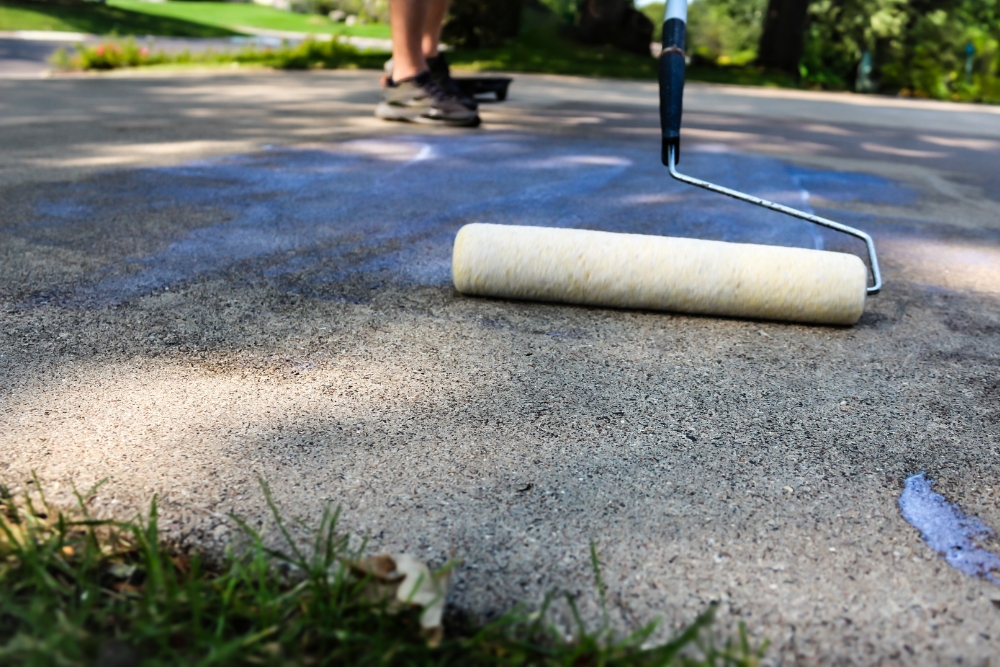
A quality sealer is applied over the finished surface to lock in colour, protect against staining, and extend the life of the overlay. This is usually done the same day or the day after, depending on cure time and conditions.
When Resurfacing Makes Sense
Resurfacing works well when:
- The existing slab is structurally sound with no movement or heaving
- There is surface-level cracking, pitting, or flaking but the base is stable
- The driveway looks worn or discoloured but isn’t failing structurally
- You want to update the look without the cost and disruption of a full replacement
Melbourne’s temperature range puts concrete through significant thermal stress over the years. Driveways poured more than 15 to 20 years ago may show surface wear simply from repeated expansion and contraction cycles, not from any structural problem. That’s exactly the situation resurfacing is designed for.
When Replacement Is the Better Option
Resurfacing isn’t the right call for every driveway. Replacement makes more sense when:
- The slab has cracked through its full depth due to movement or base failure
- Sections of the driveway have heaved, sunken, or shifted
- There is significant tree root damage beneath the slab
- The concrete is so deteriorated that a resurfacing overlay has nothing solid to bond to
If you’re not sure which applies to your driveway, a site visit is the only reliable way to find out. See our full concrete driveway services if you’re considering a full replacement.
How Long Does Driveway Resurfacing Last?
A properly applied resurfacing overlay should last 10 to 15 years on a residential driveway. The main factors that affect longevity are the quality of the surface preparation, the product used, and whether the surface is sealed and maintained afterwards.
Sealing every two to three years makes a significant difference. It keeps water out of the overlay, reduces staining from oil and tyre marks, and maintains the appearance over time.
What Does Driveway Resurfacing Cost in Melbourne?
A standard residential driveway resurfacing job in Melbourne typically runs $40 to $80 per m2, putting most single or double driveway jobs in the $2,500 to $5,500 range. The finish you choose, the extent of crack repairs required, and site access all affect the final figure.
Get a Quote for Driveway Resurfacing in Melbourne
Con Ops handles concrete driveway resurfacing across Melbourne’s south-east, including Clayton, Glen Waverley, Oakleigh, Mulgrave, Chadstone, and Mount Waverley. Find out more about our concrete resurfacing services, or call 1800 266 677 to arrange a free site visit and quote.
We’ll look at the driveway, tell you honestly whether resurfacing is the right option, and give you a fixed price before any work starts.
Frequently Asked Questions
How long does driveway resurfacing take?
Most residential driveway jobs take one to two days. Day one covers prep, crack repairs, and applying the overlay. Day two is usually sealing and any final finishing. You can typically drive on the surface after 48 to 72 hours, depending on weather conditions and the product used.
Can you resurface a driveway in winter in Melbourne?
Yes, though the timing needs to be managed. Resurfacing products need minimum temperatures to cure properly, generally above 10 degrees Celsius. Melbourne winters are mild enough that most of the season is workable, but very cold nights or wet weather can delay the job. Your concreter will advise based on the forecast.
Will resurfacing hide cracks completely?
Surface-level cracks that have been properly filled and stabilised will not be visible once the overlay is down. Larger cracks or those caused by ongoing movement may show through the new surface over time. The prep work is critical here. Skipping proper crack repair is the most common reason resurfacing jobs look poor within a year or two.
Do I need council approval for driveway resurfacing in Melbourne?
Resurfacing an existing driveway in the same footprint generally doesn’t require council approval. If you’re extending the driveway or changing the crossover (the section between the street and your property boundary), you’ll usually need to check with your local council. Requirements vary between councils in Melbourne’s south-east.
Is it worth resurfacing an old concrete driveway?
In most cases, yes, if the slab underneath is sound. You get a driveway that looks new, handles traffic well, and lasts another 10 to 15 years, for roughly a third to a half of what a full replacement would cost. The key is getting a proper assessment first so you’re not spending money on a surface that isn’t a good candidate.
For more on keeping your concrete in good shape, see our page on concrete re-sealing, which is often the right choice for driveways that are sound but just need a refresh.