

Concrete surfaces wear down over time due to weather, water, and movement. Cracks, flaking, and surface damage can start small but often grow into expensive problems if ignored. Many property owners delay repairs because they don’t know what the damage means or what can safely be done without calling a professional.
A thin crack in your driveway, a rough patch on your path, or flaking near a wall joint might seem harmless at first. But those signs can lead to water seeping in, weakening the surface and causing steel reinforcement to corrode. What could’ve been fixed with a filler or patch may end up needing slab replacement or structural support. Most of these issues are preventable—if they’re identified and dealt with early.
This guide explains how to recognise early signs of concrete damage, what actions you can take yourself, and when to get professional support. With the right method, you can handle minor issues without overspending, while protecting the safety and value of your property.
Cracks and What They Tell You
Cracks in concrete often form from shrinkage, thermal movement, soil shifts, or heavy loading. Understanding the type of crack helps you decide what to do next.
Fine surface cracks are common in driveways, garage floors, and paths. These usually don’t affect structural strength if sealed early. Clean the crack, remove dust, and apply a filler or epoxy. Allow it to cure properly before exposing the surface to load.
Wider or deeper cracks may indicate movement or a poor base. These need more than surface filler. The area should be undercut slightly to help the patch bond. Then apply a repair compound suited for load-bearing applications.
If a crack reopens after patching or appears to spread, it could suggest ongoing movement beneath the surface. These cases should be reviewed before sealing again.
Dealing with Spalling and Surface Flaking
Spalling is when the concrete surface breaks away, usually exposing the aggregate underneath. It often happens in areas affected by freeze-thaw cycles, poor finishing, or heavy wear.
The first step is to remove any loose material using a hammer and chisel. Cleaning the area thoroughly allows for better bonding. After the surface is dry, a bonding agent is applied, followed by a concrete repair mix. This should be smoothed out to match the surrounding area.
Matching the finish is important to avoid visible repair patches. Surface texture should be adjusted while the compound is still wet. If spalling occurs again in the same area, drainage or salt exposure could be contributing factors. For high-use surfaces like driveways, our concrete driveway repairs offer a more durable and long-term fix.
Scaling and Surface Roughness
Scaling makes the top layer of concrete flake off or feel rough. Poor curing, exposure to de-icing salts, and harsh chemicals are common causes. Scaling may appear harmless but exposes the concrete to deeper damage.
To repair, start with a thorough pressure wash to remove debris and any remaining weak surface. Allow it to dry completely. Then apply a concrete resurfacer using a trowel or squeegee. It must be left to cure under suitable weather conditions—avoid applying during extreme temperatures.
This method is most effective for widespread surface wear, not isolated chips or cracks. If the surface was poorly mixed when poured, resurfacing may be a temporary fix. Long-term improvement may require a new pour. In these cases, it’s worth reviewing our concrete resurfacing service to understand how proper surface preparation prevents future failure.

Efflorescence and Moisture Control
Efflorescence appears as white powder on the concrete surface. It forms when water moves through concrete, carrying salts that are left behind as the water evaporates. While it doesn’t weaken concrete directly, it shows that moisture is travelling through the slab.
The area should be cleaned with a brush and water first. If residue remains, use a mild acid cleaner or a commercial efflorescence remover. Always rinse thoroughly to stop chemical damage. Once dry, sealing the surface with a breathable water-repellent can reduce future moisture migration.
When efflorescence appears indoors or along basement walls, it may point to larger issues like poor drainage or groundwater pressure. These need more than surface cleaning and may require waterproofing membranes or improved grading.
Reinforcement Corrosion in Concrete
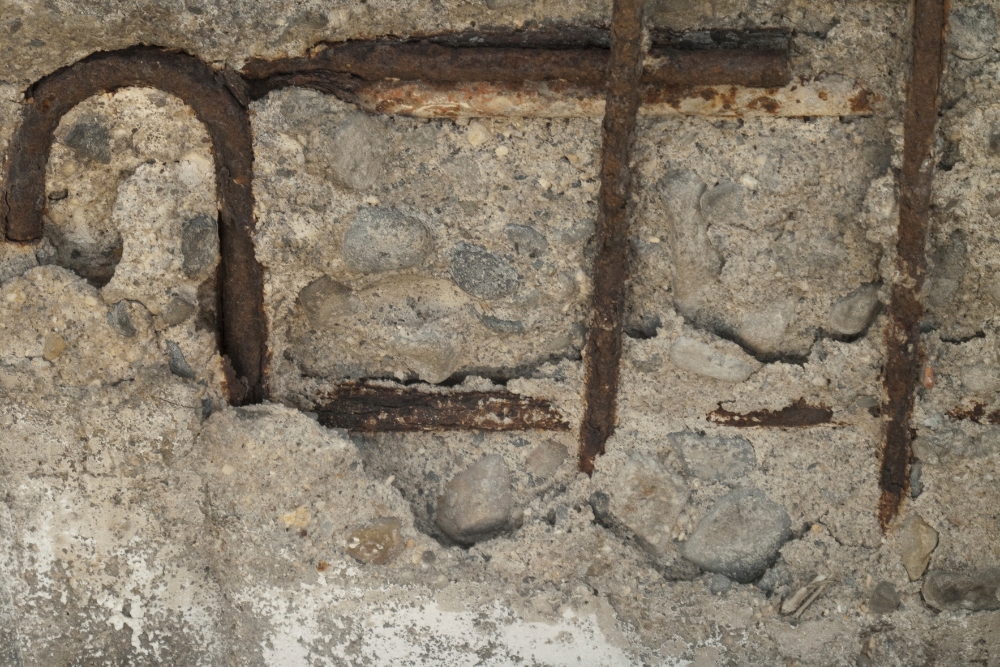
In reinforced concrete, steel bars are embedded for strength. But if water and chloride ions reach the steel, corrosion starts. Rust expands, causing cracking and loosening the concrete around it.
You might notice brown stains near cracks or hear hollow sounds when tapping the surface. When reinforcement is exposed, it must be cleaned using a wire brush. A corrosion-inhibiting primer is then applied. Once treated, the area is patched using a repair mortar designed for use with steel.
If corrosion is widespread or the bars have lost thickness, DIY fixes won’t be enough. The structural strength of the slab may be compromised and should be assessed.
Preventing Recurring Issues
Proper maintenance prevents many of the issues mentioned earlier. Once damage is repaired, it’s important to keep water away, reduce chemical exposure, and seal concrete at the right intervals.
Keep surfaces clean to avoid moss or leaf build-up, which holds moisture. Inspect control joints for early signs of failure. Remove any material caught in joints and reseal if they begin to widen.
Concrete near garden beds or in high-use driveways needs special care. Water flow should be directed away from edges and slab corners. If pooling occurs, small drainage improvements can make a big difference.
DIY Repairs and Their Limits
Not every concrete issue should be handled without help. DIY is suited for surface-level repairs and minor cracks, but there are limits.
You should not attempt repairs if:
- Cracks are wider than 10mm and growing
- Reinforcement is fully exposed or rusted across large areas
- Water is entering through slabs or retaining walls
- Concrete has lifted or sunk noticeably
- The slab was structurally damaged during impact or heavy loading
These signs indicate deeper issues, and surface patching won’t prevent further failure. In these cases, a proper assessment is necessary before any work is done.
Concrete Repair Support From Con Ops
At Con Ops, we handle everything from surface cracks to full structural repairs. Every job starts with a proper assessment—not assumptions. We look at how the damage started, how far it’s spread, and what needs to be done to fix it properly. That includes checking site drainage, matching materials, and making sure repairs won’t stand out or fail under stress.
If you’re dealing with stains, cracks, flaking, or exposed steel and unsure what to do next, contact us. We’ll help you decide what can be fixed safely on your own and what needs expert attention. Don’t leave it to guesswork—speak with us for clear advice and work that lasts.