
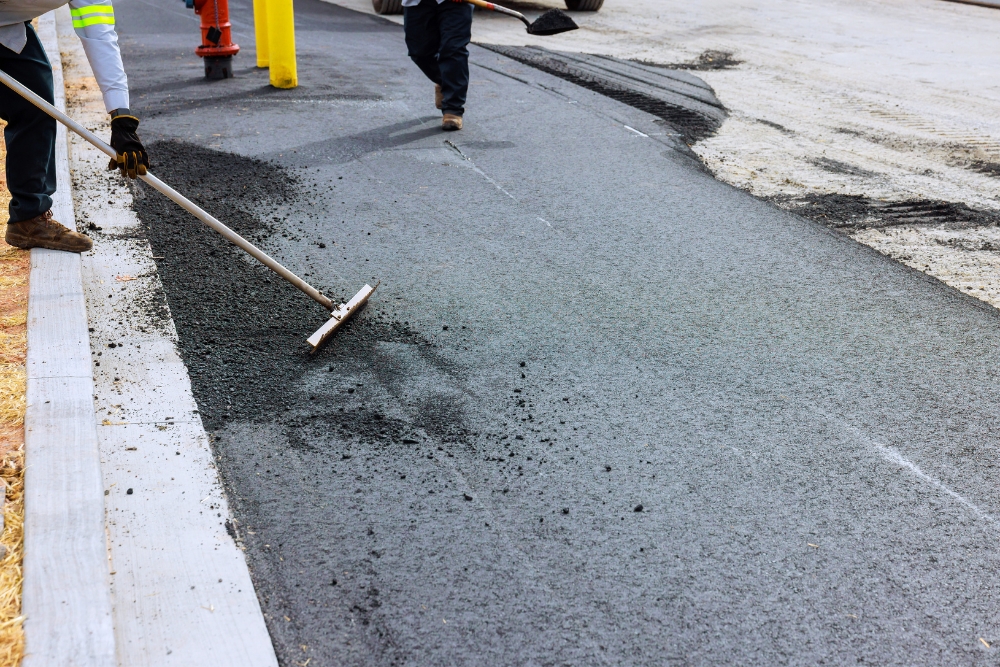
Concrete resurfacing is one of the most cost-effective ways to restore a tired driveway, patio, or floor without tearing it out and starting again. But pricing varies more than most people expect, and a lot of the guides online aren’t based on current Melbourne rates.
This post breaks down what concrete resurfacing costs per m2 in Melbourne, what pushes the price up or down, and how to know whether resurfacing is the right call for your situation.
Concrete Resurfacing Cost Per m2 in Melbourne
The table below covers typical price ranges for the most common resurfacing jobs in Melbourne’s south-east. These figures reflect 2026 rates for standard residential work.
| Surface | Cost per m2 | Typical job total | Notes |
| Driveway | $40 – $80 | $2,500 – $5,500 | Single or double; depends on prep and finish |
| Patio / entertaining area | $45 – $85 | $1,800 – $5,000 | Size and access are the main variables |
| Pool surround | $50 – $90 | $2,500 – $5,500 | Slip-resistant finish typically adds cost |
| Internal floor (garage, shed) | $35 – $70 | $1,500 – $4,000 | Epoxy overlay at the higher end |
| Pathway / footpath | $35 – $65 | $800 – $2,500 | Narrower areas; minimum call-out applies |
These are guide figures. Every job is quoted individually after a site visit because the prep work involved, access constraints, and surface condition all affect the final price.
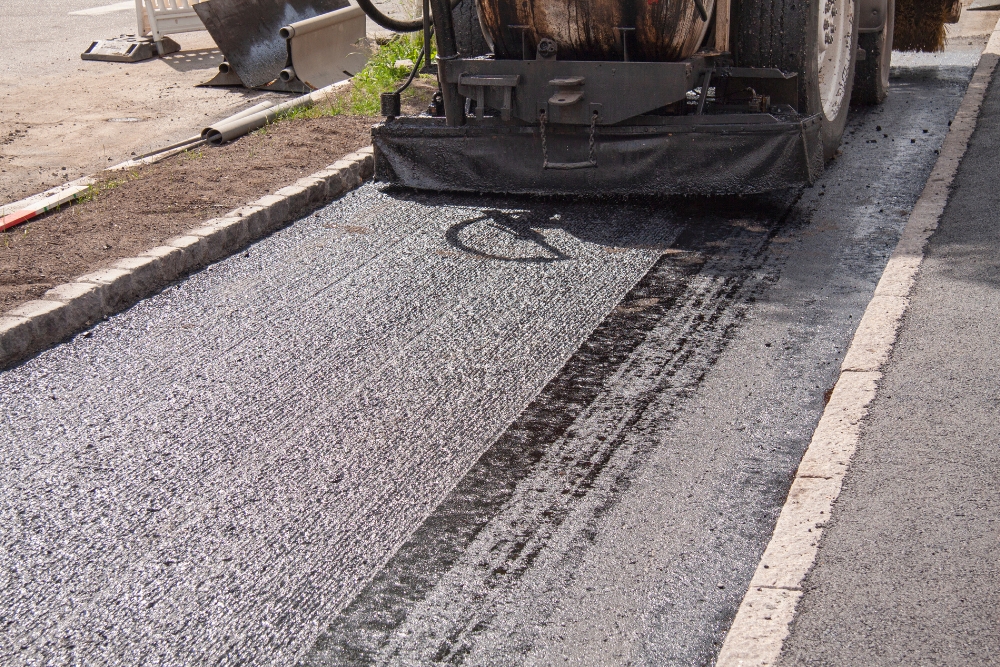
What Affects the Cost of Concrete Resurfacing?
The per-m2 rate only tells part of the story. A few factors can move the price significantly in either direction.
Surface condition
If the existing concrete is in good shape with minor surface wear, prep is straightforward. Cracked, pitted, or contaminated concrete needs more work before an overlay can be applied, which adds time and cost. Severe structural damage may mean resurfacing isn’t viable at all, and replacement makes more sense.
Size of the area
Larger areas are generally more cost-effective per m2 because setup and equipment costs are spread across more square metres. Smaller jobs, say under 20 m2, often attract a minimum call-out that keeps the per-m2 rate higher.
Finish type
A plain resurfaced overlay is at the lower end of the cost range. Decorative finishes like stencilled patterns, exposed aggregate overlays, or coloured and textured coatings cost more because they take longer to apply and require additional materials.
Access and site conditions
If the area is hard to get equipment into, on a steep slope, or surrounded by landscaping that needs protection, that adds labour time. Straightforward flat access with good clearance keeps costs down.
Repairs before resurfacing
Cracks need to be filled and stabilised before an overlay goes on. If there’s significant cracking or the surface is lifting, repairs are done first and quoted separately. Skipping this step leads to the new overlay cracking in the same place within a year or two.
Resurfacing vs. Replacement: Which Makes More Sense?
Resurfacing works well when the existing slab is structurally sound. The surface looks worn, cracked, or stained, but the concrete underneath is stable. In that situation, resurfacing is typically 40 to 60 per cent cheaper than tearing out and pouring a new slab.
Replacement makes more sense when the slab has heaved, dropped, or cracked through its full depth due to movement in the base. A decorative overlay won’t fix a structural problem; it will just crack again. A good concreter will tell you which applies after looking at the site.
If your surface is somewhere in between, re-sealing might be enough. Sealing protects sound concrete from further deterioration and is significantly cheaper than a full overlay.
How Long Does Concrete Resurfacing Last?
A properly applied resurfacing overlay should last 10 to 15 years with normal maintenance. The main things that shorten its life are poor surface preparation before the overlay goes on, no sealing after the job, and heavy vehicle traffic on a product rated for foot traffic only.
Sealing the finished surface adds a layer of protection and makes it easier to clean. Most resurfaced areas benefit from a re-seal every two to three years.
Get a Quote for Concrete Resurfacing in Melbourne
Con Ops handles concrete resurfacing across Melbourne’s south-east, including Clayton, Glen Waverley, Oakleigh, Mulgrave, Chadstone, and Mount Waverley. Find out more about our concrete resurfacing services, or call 1800 266 677 for a free quote.
We’ll come out, look at the surface, and give you a straight price with no obligation.
Frequently Asked Questions
How much does driveway resurfacing cost in Melbourne?
A standard single or double driveway resurfacing job in Melbourne’s south-east typically costs $2,500 to $5,500, depending on size, condition, and the finish you choose. The per-m2 rate generally runs $40 to $80 for a standard overlay finish.
Can you resurface cracked concrete?
Yes, in most cases. Minor to moderate cracking can be repaired and stabilised before the overlay is applied. Structural cracking, where the slab has moved or the base has failed, needs to be assessed properly. If the underlying cause isn’t fixed, the new surface will crack in the same spots.
How long does concrete resurfacing take?
Most residential resurfacing jobs take one to two days. Larger areas or jobs requiring more prep work may take three days. The surface typically needs 24 to 48 hours to cure before light foot traffic, and around a week before vehicles.
Does resurfaced concrete need sealing?
Yes. Sealing protects the overlay from water penetration, staining, and general wear. Most resurfacing jobs include sealing as part of the work. If not, it should be done within a few weeks of the job completing.
Is concrete resurfacing worth it?
For a slab that’s structurally sound but looking worn, yes. It’s a fraction of the cost of replacement and, done properly, gives you another decade or more of good service. The key is making sure the existing concrete is in a suitable condition first.
For related reading, see our guide to concrete pool surrounds in Melbourne, or find out more about concrete driveway options if you’re considering a full replacement.